Showing posts with label informative. Show all posts
Monday, August 2, 2010
Helpful Tips: When Hiring Movers
I've moved something like 8 times over the last 5 years. Next time, I promised myself to hire movers for the first time ever. Although it may be ridiculously pricey, not having to do the dirty work will be more than worth it. Helpful Hints I've read...
1. Cash: Having cash on hand when your movers arrive means never having to leave them with your things while you make a run to the bank. It also means you can, for lack of a better word, bribe them to transport things they normally wouldn't.
2. Cold Bottled Water: Even if they carry their own water with them in their moving truck, having water on hand, inside your apartment or home can be a huge blessing and increase their productivity. Plus, they'll be more willing to work for you, no matter what the temperature since you went out of your way to provide something for them.
3. Dolly: Do you have a great deal of furniture? Lots of large awkward things? Try having an additional rolling or furniture dolly on hand for them to use means things will get done extra fast, just make sure to put some tape with a name on it so it doesn't get misplaced when their time is through.
4. A Plan of Attack: If you've labeled your boxes for certain rooms, then make sure your system is legible and that they understand what's happening before they ever start loading the truck. they might choose to keep like boxes together to make unloading go smoother.
5. A Lack of Stories: This one is tricky for me as I'm far too chatty for my own good, but each conversation outside the task at hand only slows down your help and even if you feel as though they deserve a break, you're still paying them for their services (and usually by the hour) so keep the small talk extra small.
6. Door Props, Codes, Keys: If your apartment building requires any of these things for entry or exit, make sure they have everything they need upon arrival. If you have to continually buzz them in, there's a good chance they system will slow down. Don't forget to notify any doormen if your building has them.
7. Extra Tape/Markers/Boxes: Murphy's Law states that if you are missing any of these things then disaster will happen. Boxes will break, tape will snap and you won't be able to fix the situation. Better safe than sorry - have a few extra supplies on hand.
8. Printed Directions To Your New Place: Even if your movers have a GPS device, having printed directions for them makes life a great deal easier. Try making a run of the route before hand to make sure that the path you'll be taking is as free from potholes and construction as possible.
Post Idea from: Apartment Therapy
Wednesday, March 31, 2010
Navigating Your (Local) Farmers' Market
Come Prepared- Bring a sturdy canvas bag to tote your purchases, and wear comfortable clothing and shoes. Etsy: Wonder Thunder (market totes) pictured right
Have an Open Mind- Adapt to what's seasonally available that day.
Talk to the Grower- Ask for suggestions on how to cook what you buy; they know their produce best and can often provide useful information. Then give feedback the next time you stop by. Request a Sample
Increase Your Knowledge- It helps to own a couple of good cookbooks that focus on vegetables and farmers' markets. This allows you to experiment with new ingredients and recipes. Also, know what's seasonally appropriate for your menu!
Thursday, February 25, 2010
Olympics: Green Installation
The ContainR is showing sports films from around the world during the Olympics in downtown Vancouver. Its concept, a "street installation at the nexus of video, public art and urban design, sitting at the cross roads of mountain and urban culture, art and sports cinema, embracing public art and sustainable design.” Phew that’s a mouthful! By using reconditioned shipping containers and integrating alternative energy sources, the installation references Vancouver’s rich history as a major port as well as a center for green design. ContainR asks the question: where is the line between art and sport? As a traveling public art piece it inspires and sparks innovative uses that travel beyond the confines of any one city in particular.
The container is designed by Vancouver architect Robert Duke, industrial designer Keith Doyle, and Iain Sinclair.
Monday, February 8, 2010
Carpet: Fiber & Style
Good To Know
Fibers
Naturals (sisal, sea grass, jute, coir, and abaca): typically pricier than synthetics but less expensive than wool, these impart a modern wholesomeness.
Nylon: durable and available in many colors, it is by far the most popular. Typically treated with stain-guarding chemicals.
Olefin (polypropylene): strong, simple to clean, affordable and fade resistant. Good for indoor/outdoor use because it resists mold and mildew.
Polyester: soft, washable and often manufactured from recycled plastic bottles
Wool: condsidered the gold standard. Wears well and is the most luxe to the touch.
Styles
Plush or Saxony: A thick, extremely soft surface of cut "pile" (aka yarn), more formal.
Loop or Berber: A flat, minimalist weave that resembles sisal but if formed from looped yarn.
Frieze: A term for texture or a type of saxony carpet with yarn that has been twisted to create dimension.
Shag: Long, cut pile with fibers twisted in a loose design. Funky, retro, and lounge-y
*Note* Ask for "green" pads/backings stanard carpet can sometimes emit chemcials into the air.
Fibers
Naturals (sisal, sea grass, jute, coir, and abaca): typically pricier than synthetics but less expensive than wool, these impart a modern wholesomeness.
Nylon: durable and available in many colors, it is by far the most popular. Typically treated with stain-guarding chemicals.
Olefin (polypropylene): strong, simple to clean, affordable and fade resistant. Good for indoor/outdoor use because it resists mold and mildew.
Polyester: soft, washable and often manufactured from recycled plastic bottles
Wool: condsidered the gold standard. Wears well and is the most luxe to the touch.
Styles
Plush or Saxony: A thick, extremely soft surface of cut "pile" (aka yarn), more formal.
Loop or Berber: A flat, minimalist weave that resembles sisal but if formed from looped yarn.
Frieze: A term for texture or a type of saxony carpet with yarn that has been twisted to create dimension.
Shag: Long, cut pile with fibers twisted in a loose design. Funky, retro, and lounge-y
*Note* Ask for "green" pads/backings stanard carpet can sometimes emit chemcials into the air.
Monday, January 25, 2010
Objectified!
Design is an expression of the moment we live in. It's how we choose to represent, purposefully or subconsciously, our mark on the world. As time goes by, our designs leave spirited footprints of the time in which they were created and the direction in which they want them to move.
Watch Objectified. It's a delightful documentary experience of all things design related. Interviews with the people who brought thoughtful design to the masses provide some much needed insight. I got giddy when one interviewee suggests that when users have trouble using a certain product the fault does not lie with them, but the designer. Absolutely!
Thursday, January 21, 2010
Decorating From Your Travels
1. Make your own mementos- treat your travel photos as artwork from an intimate homage. Similarly scaled images in simple, identical frames have the unified feel of a bona fide series.
2. Mix, don’t match- go for a few interesting pieces and blend them in with whatever white or plain dishes you have at home.
3. Exhibit judiciously- sprinkle your international trinkets throughout the house lets them become an organic part of your interior.
2. Mix, don’t match- go for a few interesting pieces and blend them in with whatever white or plain dishes you have at home.
3. Exhibit judiciously- sprinkle your international trinkets throughout the house lets them become an organic part of your interior.
Topics:
accessories,
informative,
travel
Wednesday, August 5, 2009
All-Natural Cleaning Solutions
LemonsThe acid in lemon juice removes dirt and rust stains. It's especially effective when mixed with salt, which makes an excellent scouring paste.
Use Them to Clean...
Countertops: Dip the cut side of a lemon half in baking soda to tackle countertops: wipe with a wet sponge and dry. Don't use on delicate stone, like marble, or stainless steel (it may discolor).
Cutting Boards: To remove tough food stains from light wood and plastic cutting boards, slice a lemon in half, squeeze onto the soiled surface, rub, and let sit for 20 mins. before rinsing.
Dishes: To increase the grease-cutting power of your dishwashing detergent, add a teaspoon of lemon juice.
Faucets: Combat lime scale by rubbing lemon juice onto the taps and letting it sit overnight. Wipe with a damp cloth.
Garbage disposal: Cut a lemon in half, then run both pieces through the disposal.
Grout: Spilled morning coffee on your tile countertop or backsplash? Add lemon juice to 1 or 2 teaspoons cream of tarter to make a paste. Apply with a toothbrush, then rinse.
Hands: When you touch raw fish, the smell can linger on your fingers. Rub hands with lemon juice, which will neutralize the odor.
Laundry: to brighten white, add 1/2 cup lemon juice to the rinse cycle for a normal size load.
Plastic food-storage containers: To bleach stains from tomato soup and other acidic foods on dishwasher-safe items, rub lemon juice on the spots, let dry in a sunny place, then wash as usual.
Coffeemaker: Pour equal parts vinegar and water into the machine's water chamber, then switch on the brew cycle, halfway through turn off the coffeemaker and let the solution sit for about an hour. Turn it on again to complete the cycle, then run several cycles with clean water.
Dishwasher: To disinfect the interior of the machine, pour 1/2 cup vinegar into the reservoir and run an empty cycle.
Drains: Clean drains and the pipes by pouring vinegar down them. After 30 minutes, flush with cold water.
Floors: Add 1/4 cup vinegar to a bucket of warm water to clean almost any type of floor except marble (vinegar can scratch it) or wood (vinegar can strip it).
Glassware: For spotless hand-washed glasses, add 1 cup vinegar to the rinse water.
Moldy walls: Spray vinegar on the affected areas. After about 15 minutes, rinse and let dry thoroughly.
Showerheads: To combat mineral deposits, pout vinegar into a plastic grocery bag and knot the handles over the neck of the showerhead, securing with rubber bands. Let soak overnight. Rinse with water in the morning.
Steam iron: To get rid of mineral deposits, fill the iron with equal parts vinegar and water; press the steam button. Turn off, let cool, empty, and rinse.
Windows: Mix 1/4 cup vinegar, 2 cups water, and a squirt of all purpose soap in a spray bottle. Spritz windows and wipe with a sheet of newspaper.
Baking soda (a.k.a. sodium bicarbonate) and washing soda (sodium carbonate) both absorb odors. But unlike baking soda, slightly stronger washing soda can't be ingested; wear rubber gloves when handling it.
Can opener: Dip a toothbrush in paste of 2 tablespoons baking soda and 1 teaspoon water and use it to dislodge gunk.
Garage floors (and other concrete surfaces): Pour washing soda generously on oil and grease spots and sprinkle with water until paste forms. Let stand overnight. The next day, scrub with a damp brush, hose down, and wipe clean.
Garden tools: Dip a moist stiff-bristled brush in washing soda to scrub trimmers, clippers, and more. Rinse, then place in a sunny dry area. (Don't use washing soda on aluminum tools)
Grills and barbecue utensils: To combat tough grease stains, dip a moist stiff-bristled brush in washing soda and scrub away.
Stove burner grate: In a dishpan, soak them in 1 gallon warm water and 1/2 cup washing soda for 30 minutes. Rinse and dry.
Stained teacups and coffee mugs: Fill with 1 part baking soda and 2 parts water and soak overnight; rub with a sponge and rinse.
Upholstered furniture: To remove odors, sprinkle baking soda on the fabric, then vacuum.
Scuffed walls: Erase crayon marks by applying a baking soda paste (equal parts baking soda and water) to white painted walls (baking soda may dull colored walls). Let dry before brushing it off with a clean cloth.
The combination of mild abrasive, a surfactant (detergent), an an antibacterial agent makes toothpaste a potent stain-fighter. Stick with standard toothpaste, not gel, and steer clear of formulas designed for tarter control and whitening. These often contain chemicals and additional abrasives that can damage items.
Acrylic accessories: Squeeze toothpaste onto a toothbrush and work it into scratches until they diminish. Wipe residue off with a cloth.
Chrome fixtures: To polish faucets and taps in the kitchen or bathroom, smear a dime-size amount of toothpaste onto them, then buff with a soft cloth until they shine.
Scuffed linoleum: Reduce marks by scrubbing them with toothpaste and dry cloth until no toothpaste residue remains.
Piano keys: Rub each key carefully with a damp cotton swab and a dollop of toothpaste. Wipe dry and buff with a clean cloth.
Tarnished silverware: Put a dab of toothpaste on a soft cloth, rub it onto the tarnish, then rinse with water and dry with a clean cloth.
Steam Iron: Mineral deposits can stain an iron's soleplate. Apply a dab of toothpaste and work it into the plate. Use a clean cloth to remove residue.
Salt's granular texture makes it perfectly suited for scouring. Table salt, sea salt, and kosher salt can all be used, but table salt is the least expensive choice.
Artificial flowers: Place the fake blooms inside a paper bag and pour in salt. Close the bad and shake vigorously. The salt will dislodge accumulated dust and dirt.
Glassware: Salt won't scratch the way a scouring pad can. To get out stubborn stains, add some salt for extra abrasion and scrub.
Greasy pots and pans: Sprinkle salt on cookware to absorb excess grease. Dump out the salt before washing as usual. (Not recommended for nonstick cookware.)
Spills in the oven: Pour salt on the spill to soak it up. when the oven is cool, wipe with a damp sponge.
Wooden counters and tables: Cover grease splatters with salt to absorb as much as possible. Wait an hour, then brush away with the salt.
Topics:
cleaning,
green products,
informative
Wednesday, June 10, 2009
Green Labels: what do they mean?
Energy StarSome appliances, electronics, and lightbulbs display the Energy Star label, established by the Environmental Protection Agency. These products perform as well as their traditional counterparts while using up to 75 percent less energy.
FSC 
Developed by the Forest Stewardship Council, the FSC logo signifies that paper and wood products, such as furniture and flooring, have been harvested using certified sustainable standards.

Developed by the Forest Stewardship Council, the FSC logo signifies that paper and wood products, such as furniture and flooring, have been harvested using certified sustainable standards.
Fair Trade Certified 
TransFair USA confirms that Fair Trade Certified foods, such as coffee, fruit, chocolate, and sugar, have been grown by farmers who use environmentally friendly practices and receive a fair price for their crops.

TransFair USA confirms that Fair Trade Certified foods, such as coffee, fruit, chocolate, and sugar, have been grown by farmers who use environmentally friendly practices and receive a fair price for their crops.
Demeter 
Wines and foodstuffs that carry the Demeter logo are biodynamic, which means their growers use methods such as crop rotation, composting, and homeopathic sprays to cultivate the long-term health of the soil.

Wines and foodstuffs that carry the Demeter logo are biodynamic, which means their growers use methods such as crop rotation, composting, and homeopathic sprays to cultivate the long-term health of the soil.
Green Organizing: control the chaos
To Plastic or not to Plastic...
Reduce Paper Dependence
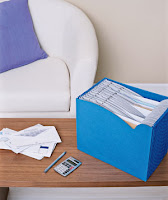
A great way to "go green" while you get organized is to reduce your use of plastic items. Avoid buying additional containers. Instead, utilize items you already own and that have some positive sentimental value for you. For instance, my small collection of porcelain mugs takes on a new life while keeping pens, pencils, and scissors managed around the house. None of these mugs are used for drinking anymore, but their chipped condition gives them a certain charm. They add a unique personality to my home while
being useful at the same time.
Look to things that might be going unnoticed, and give them a new use. Tomato cans, once they've been emptied and cleaned, are perfect for holding larger items like rulers and letter openers. Also, small dishes that you love but don't use very often are perfect for things like thumb tacks and rubber bands. You don't want your surfaces to become cluttered with all kinds of containers. So, think carefully about which supplies you use regularly. Those are the only ones you really need to have on display. It's fun to use containers you love even when they're not showing. When you open a closet or cabinet and see an orderliness that you've created with your own beautiful things can really inspire.
Electricity
Another way to get green easily is to invest in a few power strips (also called surge protectors). Use them with appliances that use electricity even when they seem to be turned off. Some of the worst culprits are your air conditioner, television, DVD player, and computer. Anything that has a little light indicating that it's in standby mode is sucking electricity. Whenever you're not using these items simply flick the switch on the power strip to completely turn off everything that's plugged into it. Research shows that 5 to 13% of a home's energy usage goes to these devices, so you might see some significant savings while putting fewer carbons into the atmosphere.
Reduce Paper Dependence Paying bills online is a fantastic way to reduce clutter while reducing your carbon imprint. Your bills will stay in order, they won't get lost, and your piles will be smaller. By reducing your use of paper, and using recycled paper whenever possible, you'll help reduce deforestation, lower fuel usage and other transportation costs, and cut down on the tremendous amount of energy it takes to manufacture paper in the first place.
Thursday, May 21, 2009
Green and Sustainable Design
Green Design focuses on increasing the efficiency of resources while reducing a buildings impact. The efficient use of energy, water, and materials will improve human health and the environment during a building's lifecycle. Green design is reached through better building footprints, design, construction, operation, maintenance, and removal.Sustainable Design is the philosophy of designing physical objects in the built environment and systems to comply with the principles of economic, social, and ecological balance. For these elements, balance helps maintain processes, diversity and productivity into the future. The intention of sustainable design is to eliminate negative environmental impact. Sustainable design requires no non-renewable resources, has a minimal impact to the environment, and relates people with the natural environment. It is not a supplement to standard design, but integration.
The Difference Between Green and Sustainable Design.
Green is a term to describe something physical. Sustainable refers to the implementation of that object. Green Design protects people’s health and well-being. For example, indoor air quality is improved with the use of (green) non-toxic cleaners. Through the use of natural products you can work towards living a green lifestyle. Sustainable Design implies reducing the environmental impact. For example, using alternative energy sources will help protect our forests. It is important for manufacturing processes and use of products to be sustainable. Another important aspect of Sustainable Design is that it meets the needs of today without compromising the needs of future generations. Green Design focuses on health and Sustainable Design places a strong emphasis on the environment. Both work towards an improved future for all.
Monday, May 18, 2009
Healthier Paint
Painting is a main ingredient when it comes to building, renovating, and maintaining a home. An increasing consumer demand for Eco-friendly products force paint manufacturers to produce with fewer dangerous and smog-producing compounds. These new toxic free paints are not only safer for humans and the earth than conventional paints, but more durable and better performing than previous products. The high levels of volatile organic compounds, or V.O.C.'s, that were emitted as gases proved to be hazardous. However, current manufacturing leads toward low- or no- V.O.C. paints. This eliminates the release of harmful vapors and greenhouse gases into the atmosphere that can cause headaches and dizziness, can potentially exacerbate asthma and other health conditions, and can even cause kidney and liver damage if exposure is extremely high, according to public health experts.
Topics:
green,
green products,
informative
Subscribe to:
Posts (Atom)